What to include when requesting a tree-removal quote
Requesting a tree-removal quote does not need jargon. Learn what to include: location, reason, safe photos, access and the required finish.
You do not need technical language to request a tree-removal quote. A useful enquiry simply shows where the tree is, why removal is being considered and what could affect access or the work area.
Add a few photos from a safe position, then include the details that could change the scope of the job.
Use the checklist below before you send an enquiry to GDE Tree Services.
Give the property suburb or postcode
Begin with the location where the tree work is required. A suburb or postcode is enough for the first message unless the form asks for the full property address.
If the property has more than one entry, shared access or a separate work area, mention that too. The location and access details need to describe the property where the tree is, not a mailing address or office.
Explain why you are considering removal
Say what you have observed and what result you need.
For example:
- the tree is unwanted;
- the tree has been damaged;
- the tree appears to be leaning or unstable;
- the tree is affecting access;
- the trunk or branches are close to a structure;
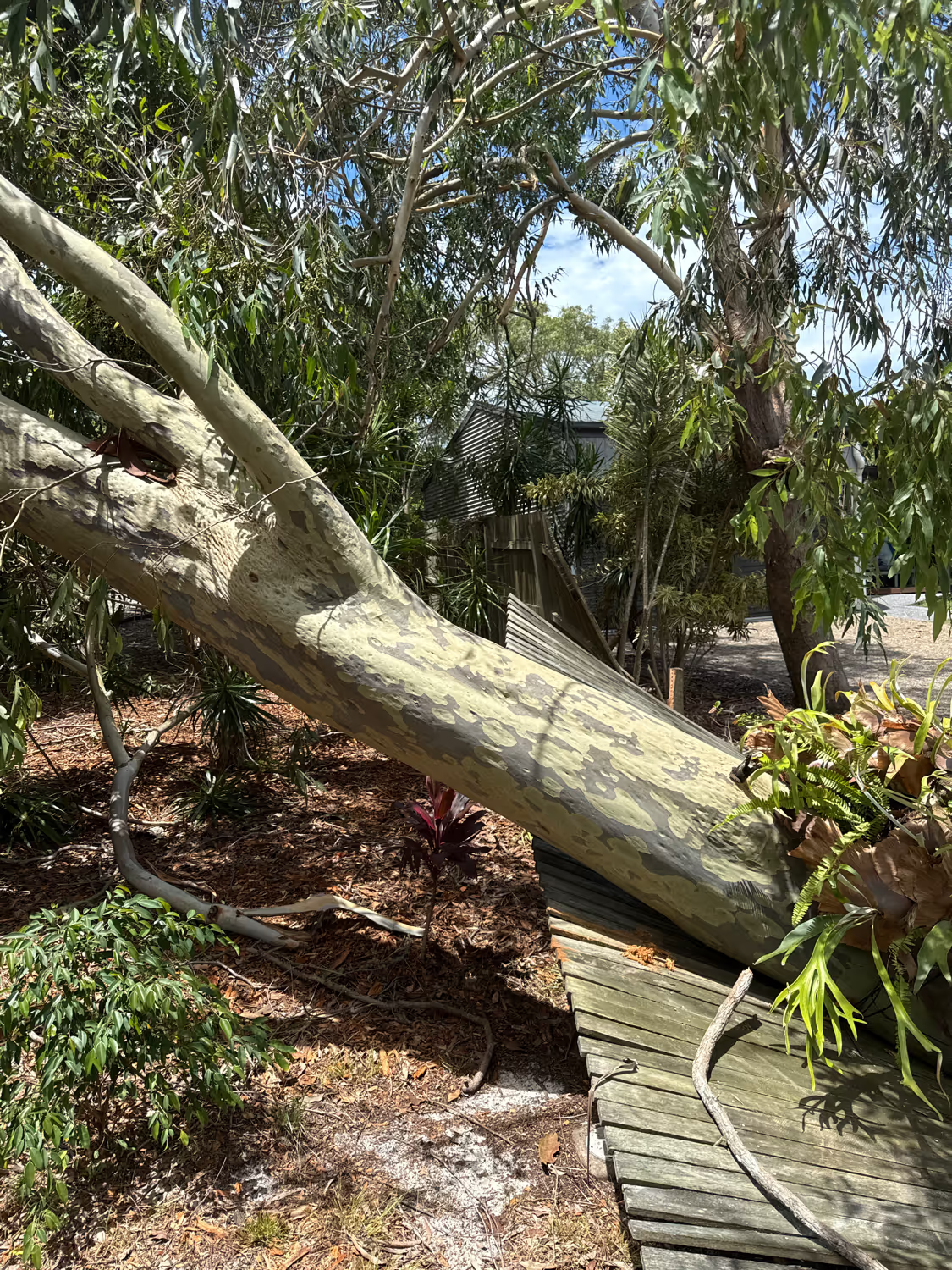
- a fallen tree is affecting use of the property; or
- the tree needs to be considered as part of other planned work.
Tell GDE what you can see and what result you need. There is no need to diagnose the tree or guess at technical terms before requesting a quote.
If the tree is fallen, damaged or unstable and is affecting the property now, read the emergency tree-removal guidance before using a standard quote form.
Read about emergency tree removal
Add clear photos, but only from a safe position
Photos can help show the tree, its position and the area around it.
Where it is safe to do so, include:
- a wider photo showing the full tree and surrounding property;
- a photo of the trunk and base;
- a closer photo of the damage or area of concern;
- the access route from the street or driveway; and
- nearby buildings, fences, vehicles or other structures.
A close-up alone can hide the context. A wider view helps explain how the tree sits within the property.
Do not stand beneath damaged branches, enter a restricted area or move closer to powerlines to take a better photo. If the photos cannot be taken safely, describe the situation by phone.
Describe the tree and its position
You do not need an exact measurement. Give a practical sense of the size and position.
Useful details include:
- whether the tree is standing, leaning, damaged or fallen;
- whether it is in a front yard, back yard, side access or another part of the property;
- whether it is close to the house, another building or a boundary;
- whether branches extend over a roof, fence, driveway or neighbouring area; and
- whether more than one tree forms part of the enquiry.
If you know the type of tree, include it. If you do not, do not guess.
Show how the work area can be reached
Access is more than the front gate. Think about the route between the street and the tree.
Mention:
- gates and narrow entries;
- driveways, paths or stairs;
- shared access;
- locked areas;
- slopes or changes in level;
- restricted parking;
- sheds, garden structures or other obstacles; and
- any limit on when an area can be accessed.
A photo of the access route can be useful. Do not state a gate width from memory if you are unsure; measure it or say that the width still needs to be confirmed.
Point out structures and powerlines
Tell GDE what is close to the tree. Include buildings, fences, vehicles, retaining walls, garden structures and areas used by other people.
If powerlines or electricity infrastructure are nearby or involved, say so clearly. Keep away from the tree and anything it is touching. Contact the relevant electricity distributor if electricity infrastructure is involved.
If there is an immediate threat to life, contact emergency services.
Say whether the stump is part of the job
Removing the tree and dealing with the remaining stump are separate parts of a scope.
If the stump would affect access, landscaping or future use of the area, include it in the original enquiry. Add a photo of the tree base and surrounding ground where it is safe to do so.
Do not assume stump removal or grinding is included in a tree-removal quote. Check that it appears in the written scope if you want that work included.
View stump removal services
Explain what you expect to happen to material from the work
Ask how branches, trunk sections and other material are treated within the proposed scope.
If you have a particular requirement, include it in the enquiry. The quote should make clear what will happen to material from the work and whether anything is excluded.
Avoid relying on a verbal assumption. If what happens to branches and timber matters to you, make sure the agreed wording is recorded.
Include known property or timing requirements
Tell GDE about any known property, access, approval or timing requirement that could affect the job.
Examples may include shared-property arrangements, access bookings, another contractor working nearby or a known council or property restriction. Do not assume that a quote confirms an approval. The relevant requirement and responsibility should be checked before work is scheduled.
If you are unsure whether a council rule applies, start with the official information for the council responsible for the property.
Give the best contact details
Include the name, phone number and email address of the person who can answer questions about the property and approve the next step.
If someone else will provide access, add that detail without sharing personal information that is not needed for the enquiry.
A tree-removal enquiry checklist
Before sending your message, check that you have included:
- property suburb or postcode;
- reason for the removal enquiry;
- clear photos taken from a safe position;
- approximate tree size and position;
- access route and restrictions;
- nearby buildings, fences, vehicles or powerlines;
- whether the stump is included;
- branch and timber handling requirements;
- known property, approval or timing requirements; and
- the best phone and email contact details.
If you do not know an answer, say so. It is better to mark a detail for confirmation than to guess.
What to check in the written quote
Once a scope is supplied, check that it states:
- which tree or trees are included;
- the work covered;
- access requirements;
- what will happen to material from the work;
- whether stump work is included;
- anything you need to do before attendance;
- exclusions or conditions; and
- how a change to the scope will be handled.
Ask for unclear wording to be explained before you approve the quote.
Ready to send the details?
Send the suburb or postcode, what you have noticed, safe photos and access information. If a detail is still unknown, note that in the message.
Request a tree-removal quote
View tree removal services
Request a tree-removal quote or review the tree removal service.
More guides and tips
Practical advice from Melbourne’s most experienced arborists